
Get a Quote


1.Types of High Voltage Switchgear
The main categories of high voltage switchgear include Air-Insulated Switchgear (AIS), Gas-Insulated Switchgear (GIS), Oil-Immersed Switchgear, and Hybrid Switchgear. Each type is suited for different applications based on the specific requirements of the electrical system, such as space limitations, safety concerns, and environmental conditions.
1. Air-Insulated Switchgear (AIS)
Air-Insulated Switchgear (AIS) is one of the most traditional and widely used types of HV switchgear. It utilizes air as the primary insulation medium for the electrical components, such as circuit breakers, disconnect switches, and transformers. The switchgear is typically housed in metal-enclosed structures that protect the equipment from external elements.
Construction and Working Principle:
AIS is designed to operate at high voltages, with components arranged in a way that they are adequately insulated by the surrounding air. The switchgear’s circuit breakers can either be manual or automated, and they function by creating an arc between the contacts that is quickly extinguished by the surrounding air. AIS is commonly used in outdoor substations due to its simple construction and cost-effectiveness.
Advantages and Disadvantages:
One of the key advantages of AIS is its reliability and ease of maintenance. The simplicity of the air-insulated design makes it a popular choice for various applications. However, AIS requires more space compared to other types of switchgear and is sensitive to environmental conditions such as moisture, dust, and pollution.
Applications:
AIS is widely used in both transmission and distribution substations, particularly in rural or open areas where land is not a constraint, and the switchgear needs to be easily accessible for maintenance.
2. Gas-Insulated Switchgear (GIS)
Gas-Insulated Switchgear (GIS) has emerged as a more compact and efficient alternative to AIS, especially in urban environments with limited space. GIS uses sulfur hexafluoride (SF6) gas as an insulating medium, which allows for a much smaller design compared to AIS.
Construction and Working Principle (SF6 Gas):
In GIS, the electrical components are enclosed within a sealed metallic chamber, filled with SF6 gas. This gas provides superior dielectric strength, allowing for smaller equipment and higher voltage ratings. GIS systems are equipped with circuit breakers that function by creating an arc in the gas, which is then extinguished due to the properties of SF6.
Advantages and Disadvantages:
The main advantage of GIS is its compact size, making it ideal for installations in areas with limited space. Additionally, GIS is less affected by environmental conditions and requires less maintenance. However, the use of SF6 gas poses environmental concerns, as SF6 is a potent greenhouse gas. Also, the initial cost of GIS is significantly higher than AIS.
Applications:
GIS is typically used in high-density urban areas, substations located underground, and locations with limited space for traditional switchgear systems. It’s also preferred in areas prone to harsh environmental conditions.
3. Oil-Immersed Switchgear
Oil-Immersed Switchgear utilizes oil as both an insulating and arc-extinguishing medium. This type of switchgear has been widely used in various electrical applications due to its effectiveness in high-voltage environments.
Construction and Working Principle:
In oil-immersed switchgear, the electrical components are submerged in insulating oil, which serves to extinguish the arc created when the circuit breaker opens. The oil also provides insulation between the live parts and the grounded structure, ensuring safe operation at high voltages.
Advantages and Disadvantages:
Oil-immersed switchgear has excellent arc-quenching properties, making it effective for high-current interruptions. However, the use of oil raises concerns regarding fire risks and environmental impact in case of leaks. Additionally, regular maintenance is required to ensure the quality of the oil.
Applications:
Oil-immersed switchgear is commonly used in older substations, power generation plants, and areas where oil-insulated equipment is still preferred due to its proven reliability.
4. Hybrid Switchgear
Hybrid Switchgear combines the benefits of both AIS and GIS, offering a flexible solution for various high-voltage applications. It integrates the compact design of GIS with some elements of air-insulated designs to balance the space-saving advantages with ease of maintenance and reliability.
Combination of AIS and GIS:
A hybrid switchgear system typically features SF6 gas-insulated circuit breakers, but with AIS components such as disconnect switches and earthing switches. This combination allows for a compact design that can still be easily maintained and operated.
Advantages and Disadvantages:
Hybrid switchgear offers a good balance of space efficiency and maintenance flexibility. It can be used in locations where traditional AIS is too large, but the full complexity and cost of GIS are not necessary. However, hybrid systems can still be expensive and require specialized knowledge for installation and maintenance.
Applications:
Hybrid switchgear is commonly found in modern power substations and industrial facilities where space is a premium but environmental concerns and long-term reliability are key factors.
2.Components of High Voltage Switchgear
To ensure the safe and reliable operation of high voltage systems, various components work together within a switchgear setup. These components are essential for controlling electrical circuits, protecting against faults, and ensuring smooth power transmission. Below is an overview of the key components that make up a high voltage switchgear system:
1. Circuit Breakers
Circuit breakers are the core components of any switchgear system. They are responsible for automatically interrupting the flow of electrical current during abnormal conditions, such as short circuits or overcurrent situations, to protect both the equipment and personnel.
Types of Circuit Breakers:
Vacuum Circuit Breakers: These are commonly used for medium-voltage applications. The arc is quenched in a vacuum, providing fast and efficient interruption.
SF6 Circuit Breakers: Common in high-voltage systems, these use sulfur hexafluoride (SF6) gas as an insulating and arc-quenching medium, allowing for smaller and more efficient designs.
Air Blast Circuit Breakers: This type uses compressed air to extinguish the arc. It is typically used in older switchgear designs.
Working Principle and Operation:
Circuit breakers detect faults by sensing abnormal current flow. Once a fault is detected, the breaker opens the circuit by physically separating the contacts, effectively interrupting the flow of electricity. The mechanism used to extinguish the arc depends on the type of circuit breaker—whether it's through a vacuum, SF6 gas, or air blast.
2. Disconnect Switches (Isolators)
Disconnect switches, also known as isolators, are used to isolate parts of the electrical system for maintenance or during faults. They are not designed to interrupt fault currents like circuit breakers, but instead, they provide a means of disconnecting the circuit safely.
Purpose and Function:
The primary function of a disconnect switch is to ensure that a section of the electrical circuit is fully isolated from the power supply, allowing for safe maintenance and repair work. They ensure no current flows through the isolated section.
Types and Operation:
Load Break Switches: These can handle switching operations under normal load conditions.
Non-Load Break Switches: Used when no current is flowing through the circuit.
Disconnect switches are usually used in conjunction with circuit breakers for added safety.
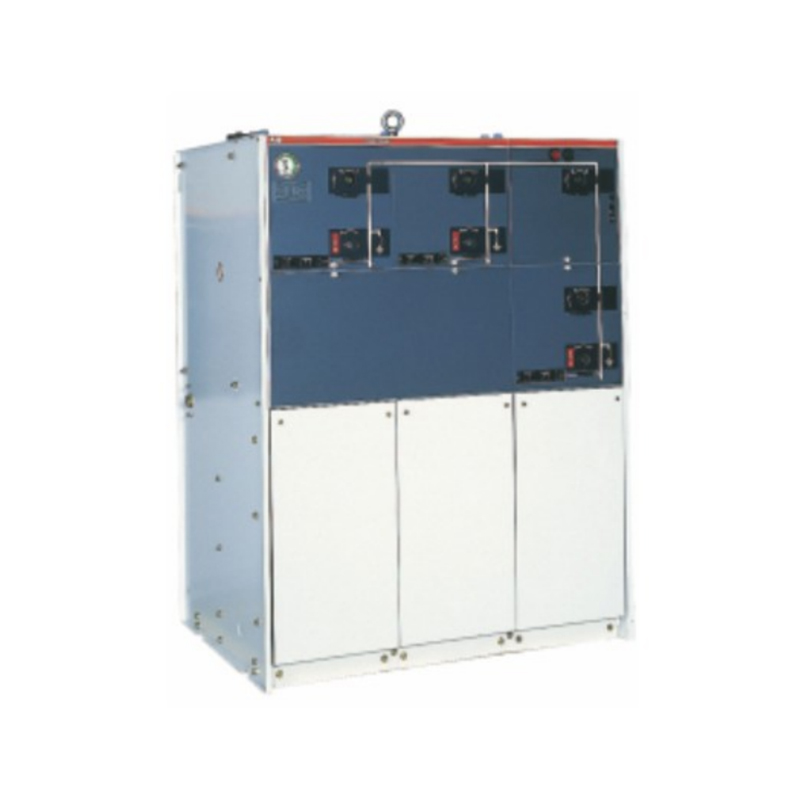
3. Earthing Switches
Earthing switches are used to safely ground the system during maintenance or after a fault has been cleared. By connecting the equipment to the earth, they ensure that no potentially dangerous voltage remains on the system, making it safe for maintenance workers to interact with the equipment.
Purpose and Function:
Earthing switches are typically engaged after the circuit is disconnected from the live power source and ensure the circuit is grounded before any work can begin.
Types and Operation:
There are two main types of earthing switches:
Manual Earthing Switches: Operated manually by maintenance personnel.
Automatic Earthing Switches: These engage automatically once a fault condition is cleared and the circuit is disconnected.
4. Instrument Transformers
Instrument transformers are used to step down high voltage or current to levels that can be safely measured by instruments and protection devices. These transformers play a critical role in voltage and current monitoring, as well as in providing input for protection relays.
Types of Instrument Transformers:
Current Transformers (CTs): Used to measure the current in a circuit. They provide accurate scaling of high current levels for metering and protection.
Voltage Transformers (VTs) or Potential Transformers (PTs): Used to measure the voltage in a system. VTs step down high voltage levels to a lower, manageable level for monitoring and metering.
5. Protection Relays
Protection relays are designed to monitor electrical systems for faults and initiate appropriate actions, such as tripping a circuit breaker to isolate the faulted section. These relays ensure that faults are detected and cleared quickly to prevent damage to equipment and ensure system stability.
Types of Relays:
Overcurrent Relays: Detect conditions where the current exceeds a predefined limit.
Overvoltage Relays: Trigger when the voltage exceeds a certain threshold, which may indicate a fault condition.
Differential Relays: Used to detect the difference between the currents entering and leaving a section of the system, which may indicate a fault.
Working Principle and Coordination:
Protection relays continuously monitor electrical parameters and activate predefined responses when abnormal conditions are detected. They work in coordination with circuit breakers to isolate faulted areas. Coordination ensures that the closest protective device operates first, minimizing the impact on the overall system.
6. Control and Monitoring Systems
Control and monitoring systems allow operators to remotely or locally monitor the health and status of the high voltage switchgear. These systems often incorporate advanced technologies like SCADA (Supervisory Control and Data Acquisition) to provide real-time data, fault detection, and operational control.
SCADA Integration:
SCADA systems are integrated into HV switchgear to enable continuous monitoring of the system’s performance. Operators can remotely control circuit breakers, disconnect switches, and other components to ensure smooth and safe operation.
Local Control Panels:
In addition to remote control, local control panels allow operators to directly interact with the switchgear for routine operations, adjustments, and troubleshooting.
3.Applications of High Voltage Switchgear
HV switchgear is employed in various industries and infrastructure projects to ensure the safe and efficient operation of electrical systems. From power generation plants to renewable energy systems, the applications of HV switchgear span a wide range of sectors. Let’s explore some of the key areas where HV switchgear plays an essential role.
1. Power Generation Plants
Power generation plants are the heart of the electrical grid, and HV switchgear is critical to ensuring their reliable operation. In these plants, electrical equipment operates at high voltages to generate electricity and transmit it to the grid. HV switchgear is used to control and protect the circuit breakers, transformers, and other electrical components, preventing faults and enabling quick isolation in the event of an emergency.
Applications:
Generation of electricity: HV switchgear helps to connect and disconnect power generation equipment, such as generators, turbines, and transformers.
Fault protection: It ensures that faults are detected and isolated quickly, preventing damage to expensive equipment and improving overall plant efficiency.
2. Electrical Substations
Electrical substations are critical nodes in the transmission and distribution of electricity. High voltage switchgear in substations is used to manage the flow of electricity between power plants and end-users, such as businesses, homes, and industries. HV switchgear serves as the line of defense, helping to maintain stability and safety in the transmission network.
Transmission Substations:
These substations are responsible for stepping up voltage levels for long-distance transmission of electricity. HV switchgear in transmission substations is tasked with controlling, protecting, and isolating high-voltage circuits to prevent damage and ensure the smooth transfer of power.
Distribution Substations:
At distribution substations, HV switchgear helps to step down the voltage levels for use by consumers. It is essential for switching between different grid lines, isolating faults, and ensuring power is delivered to end-users without disruption.
Applications:
Voltage regulation: HV switchgear helps to regulate voltage levels and ensure power quality is maintained across the grid.
Switching operations: The switchgear enables switching of different lines or systems based on operational needs, load variations, or fault conditions.
3. Industrial Facilities
Many industrial facilities require high-voltage electrical systems to run heavy machinery, automated systems, and power-hungry equipment. HV switchgear in these settings ensures that electrical systems are properly controlled and protected against faults or overloads.
Heavy Industries:
Industries such as steel manufacturing, cement production, mining, and chemical processing operate high-power systems that require reliable protection. The use of HV switchgear ensures the protection of industrial equipment and minimizes the risk of electrical failures.
Data Centers:
As data centers store vast amounts of digital information, their operation depends on uninterrupted power supply. HV switchgear helps manage and protect the electrical systems that provide this power, ensuring high reliability and protection against outages.
Applications:
Load management: HV switchgear helps manage the electrical load in industrial facilities, ensuring that the system runs within safe parameters.
Safety and reliability: In industrial environments, downtime can lead to significant losses, and HV switchgear provides crucial protection to keep operations running smoothly.
4. Renewable Energy Systems
As the world shifts towards renewable energy, HV switchgear is becoming more integral to the operation of wind farms, solar farms, and other green energy systems. These renewable energy sources often operate in remote or difficult-to-access locations, making HV switchgear an essential component for controlling and protecting the electrical systems.
Wind Farms:
Wind turbines generate electricity at high voltages, and HV switchgear is used to control the electrical output and ensure protection from faults. Wind farm switchgear systems are typically integrated with transformers and protection devices to handle the fluctuations in power generation that are characteristic of wind energy.
Solar Farms:
Solar energy is harnessed using photovoltaic panels that generate DC power, which must be converted to AC for use in the grid. HV switchgear helps control the flow of electricity, manage the connection to the grid, and isolate the system in case of faults or maintenance needs.
Applications:
Integration with the grid: HV switchgear facilitates the safe and efficient integration of renewable energy into the grid, ensuring that the power generated can be transmitted and distributed properly.
Fault detection and isolation: HV switchgear plays a vital role in detecting faults and quickly isolating them to prevent disruptions in renewable energy production.
1.Types of High Voltage Switchgear The main categories of high voltage switchgear include Air-Insula...
View More1. Working Principle Oil-immersed transformers play a pivotal role in modern electrical power system...
View More1. Advantages of Distribution Dry Type Transformers Distribution dry type transformers have become i...
View More
 中文简体
中文简体 русский
 Español
 عربى
عربى