Get a Quote


In 2025, the U.S. recorded over 24,000 electrical fires traced back to overloaded wiring — a hard reminder that overcurrent protection isn't optional. It’s the backbone of electrical safety. Choosing between a fuse and a circuit breaker shapes how reliably a system reacts when current goes wrong. The decision hinges on more than cost; it involves response speed, maintenance philosophy, and long-term system scaling.
A fuse is a sacrificial device. Inside, a calibrated metal filament melts when current exceeds its rating, instantly breaking the circuit. A circuit breaker uses an electromagnet or a heat-sensitive bimetal strip to trip a mechanical switch when overcurrent or a short circuit occurs. The core difference is simple: a fuse destroys itself to stop the fault. A breaker can be reset and reused.
Both devices serve the same fundamental purpose — protecting conductors, equipment, and people from excessive current. The protection strategy, however, differs in speed, versatility, and operational cost. Knowing exactly how each one behaves under fault conditions matters before you spec a panel or upgrade an existing installation.
Engineers often boil the choice down to a handful of technical parameters. Fuses typically clear a short circuit in under 1 millisecond, while a standard molded-case circuit breaker takes 2 to 5 milliseconds. That fraction of a second can determine whether downstream equipment survives a fault. Interrupting capacity adds another dimension: a current-limiting fuse can safely interrupt 200 kA or more, whereas many breakers top out at 65 kA without additional accessories.
The table below highlights five critical differentiators at a glance. Use it to frame your initial evaluation, not as a final verdict on every application.
| Dimension | Fuse | Circuit Breaker |
|---|---|---|
| Protection scope | Overload and short circuit | Overload, short circuit, and (with RCD/GFCI) ground fault |
| Response time | Less than 1 ms (current-limiting types) | 2–5 ms (typical molded-case) |
| Interrupting capacity | Up to 300 kA | Typically 10–65 kA |
| Resettable | No — must be replaced | Yes — manual or automatic reset |
| Initial cost | Low (a few dollars per unit) | Moderate to high ($15–$500+) |
For industrial applications, the speed advantage of a fuse can be decisive. A breaker’s resettability, on the other hand, dominates where downtime is the priority. Neither device is universally superior; context dictates the right choice.
Not all overcurrent devices are created equal. Selecting the right variant depends on voltage level, continuous current, and the environment. The table below maps common categories to their typical operating ranges.
| Type | Voltage Range | Current Range | Typical Use |
|---|---|---|---|
| Cartridge fuse | Up to 600 V | 1–600 A | Industrial motor circuits, switchgear |
| Plug fuse | 120–240 V | 15–30 A | Residential lighting and appliance circuits |
| Blade fuse (automotive) | 32 V DC | 1–40 A | Vehicle electrical systems |
| MCB (Miniature Circuit Breaker) | Up to 440 V AC | 0.5–125 A | Residential and light commercial panels |
| MCCB (Molded Case Circuit Breaker) | Up to 600 V AC | 15–2500 A | Distribution boards, motor feeders |
| ACB (Air Circuit Breaker) | Up to 690 V AC | 630–6300 A | Main switchboards, large facilities |
| RCD/GFCI breaker | 120–240 V | 15–60 A | Personnel protection, wet locations |
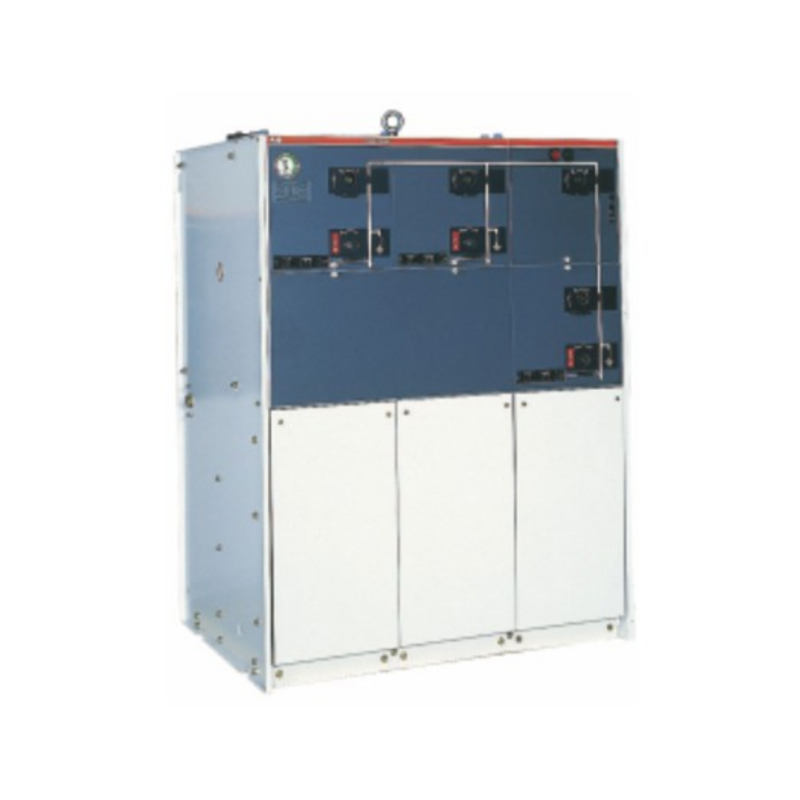
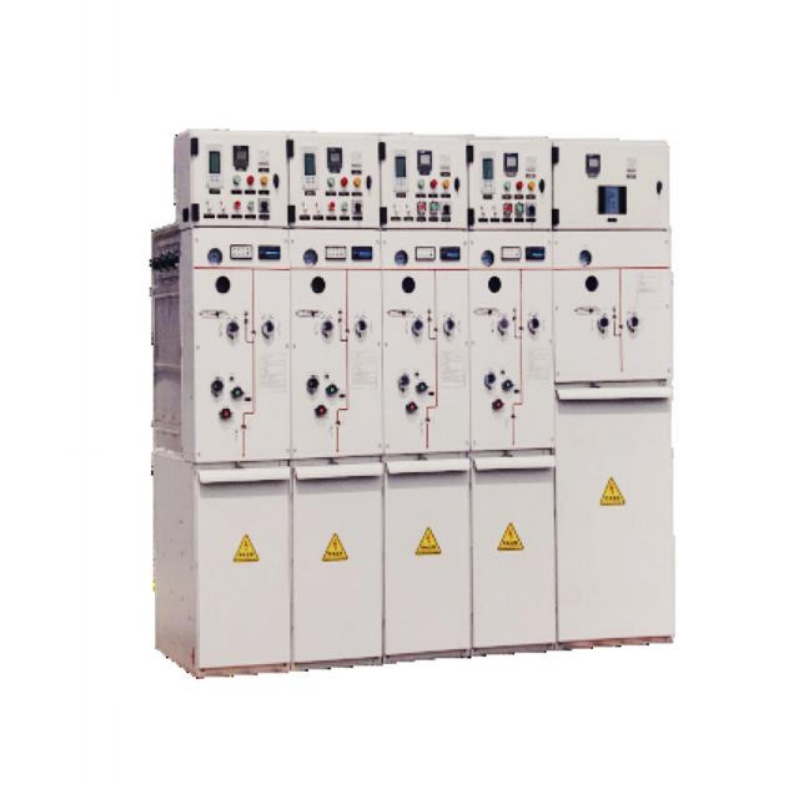
In medium-voltage industrial substations, cartridge fuses frequently appear alongside breakers inside high-voltage switchgear assemblies, providing staged protection where breakers handle overloads and fuses interrupt high-energy faults. This combination maximizes both reliability and operator safety.
Numbers often cut through opinion faster than paragraphs. The matrix below scores each technology on a 1–5 scale across the five dimensions that drive most industrial and commercial decisions. A score of 5 represents the best possible outcome for that dimension.
| Dimension | Fuse Score | Circuit Breaker Score |
|---|---|---|
| Initial Cost | 5 | 2 |
| Maintenance Convenience | 2 | 4 |
| Reliability (No Moving Parts) | 5 | 4 |
| Short-Circuit Protection Speed | 5 | 3 |
| Expandability / Reconfiguration | 2 | 5 |
When uptime and ease of reset dominate—think commercial lighting panels or plug-in equipment—the breaker’s higher score in maintenance and expandability makes it the default. In a mission-critical feeder where downtime is unacceptable but a fault must be cleared instantly, fuses combined with a ring-network switchgear arrangement often deliver the most fault-tolerant design.
Protection that worked ten years ago can become a liability as loads grow. A load increase of 20 percent or more typically warrants a re-evaluation of the entire overcurrent protection chain. Look for these telltale signs that an upgrade is overdue:
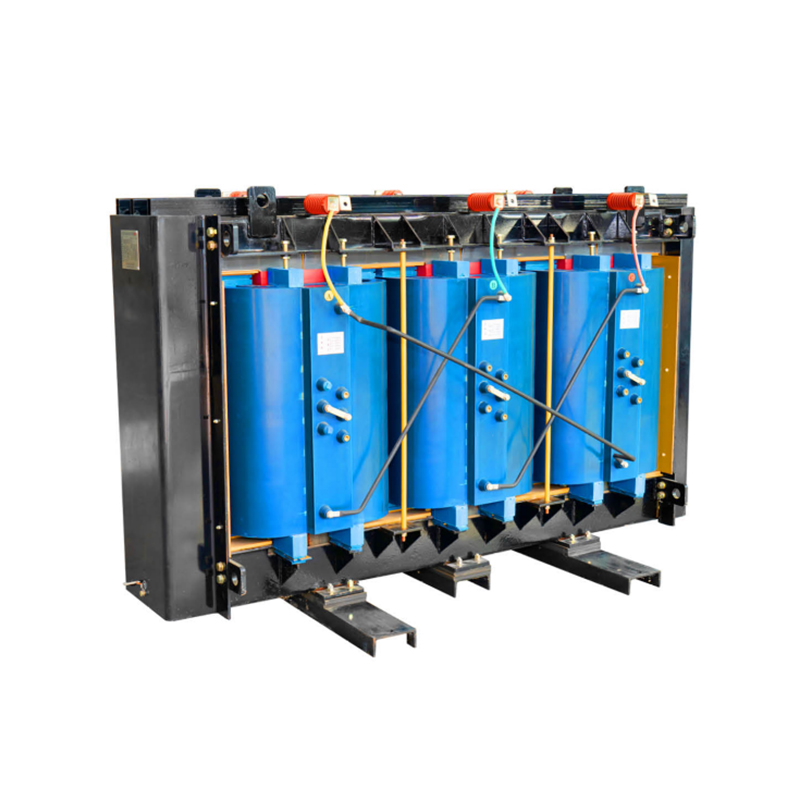
The upgrade process follows a logical sequence: calculate the actual load plus future expansion, verify the short-circuit current available at the point of installation, and select a device with both adequate ampacity and sufficient interrupting rating. NEC Article 240 requires that the overcurrent device’s interrupting rating equals or exceeds the available fault current. In residential settings, that often means a main breaker rated at least 100 A; in industrial settings, the numbers climb quickly. When adding large equipment, verify that the upstream transformer—such as a dry-type transformer—can sustain the new load and that its protection is re-coordinated accordingly.
Even the best protection device becomes dangerous if mishandled. Stick to these five non-negotiable safety habits:
1.Types of High Voltage Switchgear The main categories of high voltage switchgear include Air-Insula...
View More1. Working Principle Oil-immersed transformers play a pivotal role in modern electrical power system...
View More1. Advantages of Distribution Dry Type Transformers Distribution dry type transformers have become i...
View More
 中文简体
中文简体 русский
 Español
 عربى
عربى