
Get a Quote


Power reliability in a manufacturing plant is rarely a single electrical problem. It shows up as a spoiled batch, a tripped line, a motor that runs hotter than it should, or a maintenance team chasing the same fault every quarter. The electrical system is the quiet infrastructure behind every shift, and when it falters, production feels it immediately. From our work with industrial power distribution, the plants that stay up are not necessarily the ones with the largest budget; they are the ones that treat reliability as a design and operating habit.
A short outage can cost far more than the lost kilowatt-hours. It can interrupt a heat treatment cycle, leave a batch of material out of specification, damage a drive or a motor, and force a lengthy restart that consumes raw materials and operator time. Voltage sags can be even more troublesome than a full outage because they may reset controls, drop contactors, or confuse sensitive equipment without tripping the main supply. For many plants, the real question is not whether the utility supply will be perfect, but how the facility behaves when it is not.
Reliability therefore starts at the incoming supply and continues through the transformer, switchgear, protection settings, cables, motor control, and the way loads are distributed. A plant can have excellent maintenance and still suffer if the transformer was sized for average load, if harmonics were ignored during expansion, or if switchgear sits in a hot and dusty room with poor ventilation. Good reliability is a chain of small decisions that support one another.
Before specifying equipment, it helps to understand what the plant actually experiences. A power quality survey, a review of outage logs, and a current single-line diagram often reveal more than a catalog can. Common starting points include:
These issues rarely appear alone. A harmonic-rich load can raise transformer temperature, reduce capacitor life, and cause nuisance protection operations. A plant that adds production lines without updating the protection study may find that a minor fault trips a much larger area than necessary. Reliability work begins by connecting those symptoms to the system conditions that create them.
The transformer is often the most expensive single piece of electrical equipment in a plant distribution room, and it is also one of the most forgiving if it is selected well. The key is not simply choosing the lowest first cost. It is matching the transformer to the load profile, the environment, the fault level, and the maintenance resources available on site. Indoor distribution areas with fire safety and clean-operation requirements often favor dry-type transformers, while outdoor or high-capacity applications may favor oil-immersed units. Amorphous core designs can reduce no-load losses where the load pattern is stable and energy cost is a long-term concern.
Capacity deserves particular attention. A transformer that runs near its limit during normal production has little margin for a hot day, a temporary overload, or a future line expansion. Harmonic loads also require a clear discussion about derating and winding design. In our experience, a short conversation about load profile and duty cycle saves far more trouble than a last-minute correction after commissioning.
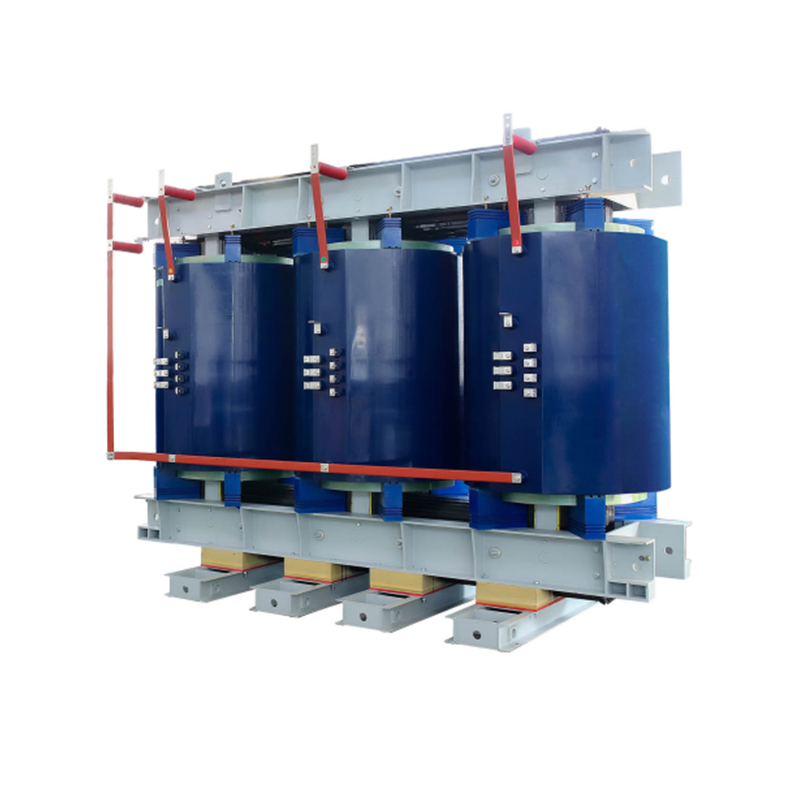 Epoxy Resin Cast Dry-Type Distribution TransformersOil-free cast-resin transformers from 800 to 25000 kVA for indoor medium-voltage distribution where fire safety, low maintenance, and stable thermal performance matter.View Product →
For indoor medium-voltage distribution, epoxy resin cast dry-type transformers are a practical fit where fire safety and low maintenance matter. Our 800 to 25000 kVA range is built for plant distribution projects that need stable thermal performance and clear selection support.
Switchgear does more than open and close circuits. It defines how a fault is isolated, how maintenance is performed, and how much of the plant is affected when something goes wrong. Protection coordination should be reviewed whenever loads change, because a relay setting that was correct three years ago may now trip the wrong breaker. Plants with critical processes should also ask whether a single upstream failure can shut down the entire facility, and whether a split-bus arrangement, automatic transfer, or maintenance bypass would provide enough separation without adding excessive complexity.
Environmental conditions matter as much as the electrical ratings. Dust, humidity, corrosive vapors, and restricted access all shorten equipment life and make maintenance harder. In compact indoor rooms, solid-insulation ring main units can reduce footprint and avoid gas-handling concerns while still supporting remote monitoring and safe operation. The goal is not to add redundancy everywhere; it is to place it where the production risk justifies the investment.
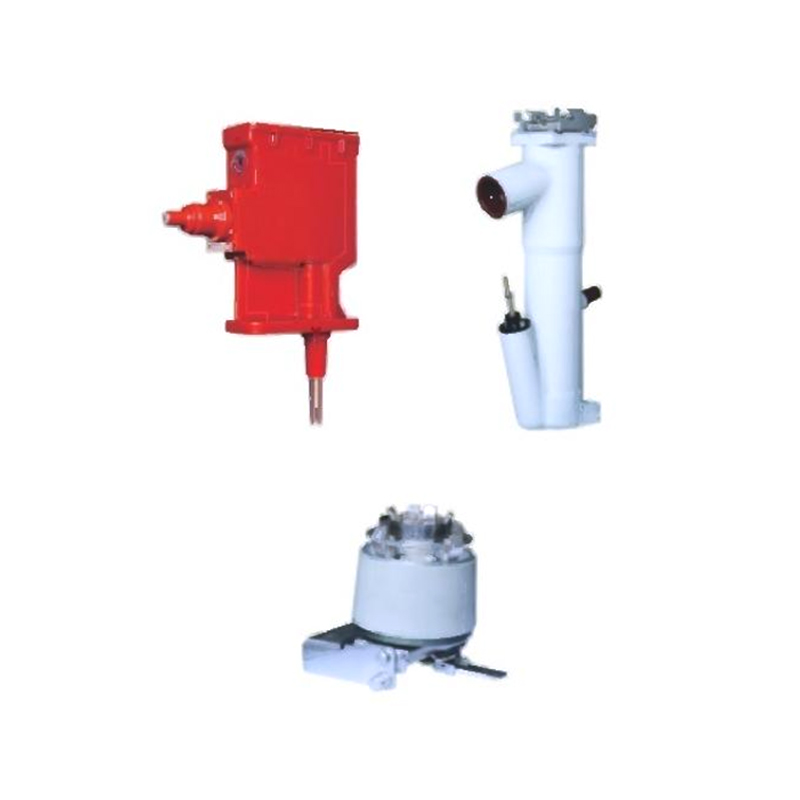 GTXGN-12 Solid Insulation Intelligent Ring Main UnitMaintenance-free 12/24 kV ring main unit uses solid insulation instead of SF6 and supports flexible modules plus optional FTU monitoring for compact indoor distribution.View Product →
Many reliability complaints are really power quality complaints. Drives trip for no obvious reason, contactors chatter, capacitors fail early, and transformers run warmer than expected. Harmonic distortion and poor power factor are frequent contributors. Capacitor banks can improve power factor, but they need careful design when harmonics are present. A capacitor bank applied without series reactors may amplify a harmonic resonance and create a new problem while solving another.
Detuned capacitor systems with series reactors are one way to support power factor correction while reducing harmonic risk. The reactor selection should follow a harmonic study or at least a measured baseline, not a guess. Where the plant has large drives, rectifiers, or fluctuating loads, it is also worth reviewing whether active filtering or a different compensation strategy would be more appropriate. The right answer depends on the measured spectrum, the load cycle, and the existing transformer and switchgear ratings.
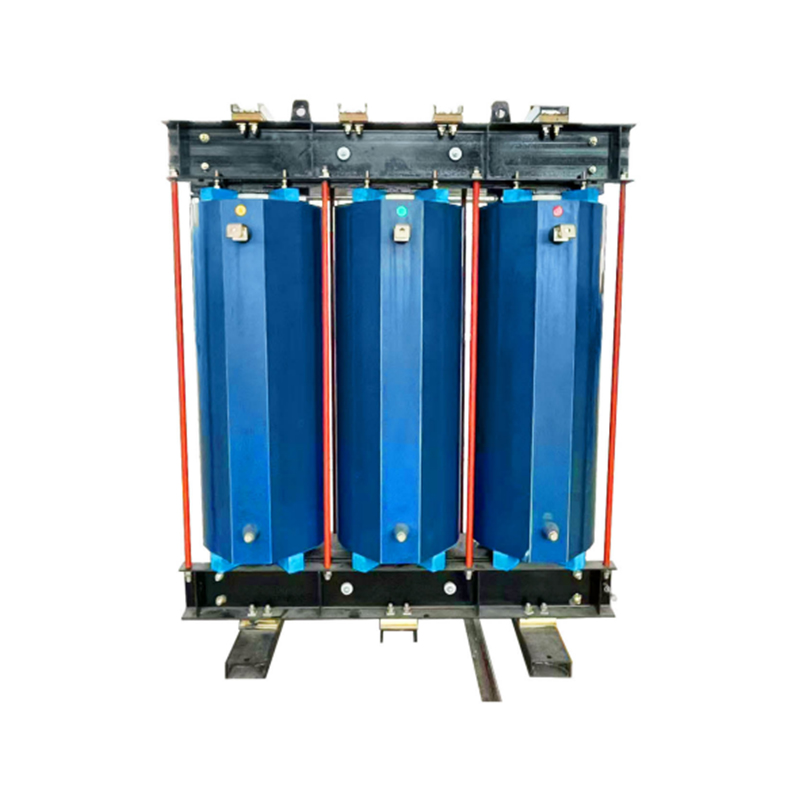 CKSC Dry-Type Iron Core Series ReactorsResin-cast iron-core reactors for current limiting and compensation, with low noise and maintenance-free operation suited to detuned capacitor bank reviews.View Product →
The table below is not a complete engineering study, but it is a useful starting point for a plant review. It connects common symptoms to likely causes and practical first responses.
| Issue or symptom | What it often means | Practical response |
|---|---|---|
| Frequent voltage sags | Upstream switching, large motor starting, or a weak supply point | Log events, review motor starting, discuss supply impedance, and protect sensitive controls |
| High harmonic distortion | Drive and rectifier loads interacting with capacitors or transformers | Measure the spectrum, review capacitor duty, and consider reactors or filtering |
| Transformer running hot | Overload, harmonic losses, poor ventilation, or high ambient temperature | Check load and temperature records, improve airflow, and review derating |
| Nuisance breaker trips | Protection settings no longer match the load or fault level | Update the protection study and verify relay coordination |
| Single upstream failure stops production | Limited redundancy or a poorly separated distribution scheme | Review split-bus options, transfer schemes, and critical load priorities |
Reliability is not a one-time project. It is a rhythm of checking, recording, and correcting before small faults become production events. Infrared thermography on connections and busbars, partial discharge checks, transformer oil testing where applicable, winding resistance measurements, relay testing, torque checks, and filter cleaning all have a place. Just as important is keeping a simple history: what tripped, when, under what load, and what was changed afterward. That record turns maintenance from guesswork into evidence.
Condition monitoring does not need to be complicated at the start. Temperature sensors on transformers, current logging on critical feeders, and regular power quality snapshots can reveal trends long before a failure. Spare parts and response agreements also matter, especially for equipment with long lead times. If you are comparing options, our FAQ covers many common selection and application questions, and it can help your team prepare a clearer specification before requesting quotations.
Every plant has its own load profile, environment, and production priorities. A useful equipment partner should ask about those conditions rather than simply quote a catalog number. At Detong, we manufacture epoxy resin cast dry-type transformers, oil-immersed transformers, dry-type iron-core reactors, box substations, and high-voltage switchgear for industrial power distribution. Our industrial manufacturing solutions are organized around the realities of plant expansion, maintenance access, and continuous operation.
Manufacturing plant power reliability is ultimately a plant-wide outcome. It comes from a transformer with sensible margin, switchgear that isolates faults cleanly, protection that is coordinated, power quality that is measured rather than assumed, and a maintenance team that knows what normal looks like. When those pieces work together, the electrical system stops being a source of surprises and becomes the quiet foundation that production depends on.
1.Types of High Voltage Switchgear The main categories of high voltage switchgear include Air-Insula...
View More1. Working Principle Oil-immersed transformers play a pivotal role in modern electrical power system...
View More1. Advantages of Distribution Dry Type Transformers Distribution dry type transformers have become i...
View More
 中文简体
 русский
 Español
 عربى
