
Get a Quote


If you have ever stood in front of a medium-voltage drawing and seen “RMU” beside a compact enclosure, you are not alone in pausing for a moment. The abbreviation is common in distribution projects, yet it is rarely explained in plain language. In electrical power systems, the meaning of RMU is usually straightforward: it is a Ring Main Unit, a compact piece of switchgear used to control and protect a ring distribution network.
In electrical distribution, RMU stands for Ring Main Unit. It is a factory-built, metal-enclosed switchgear assembly designed for medium-voltage networks, typically in the 11 kV to 33 kV range, though 35 kV and 40.5 kV designs also exist. Its job is to switch, isolate, and protect sections of a distribution ring while keeping the rest of the network live wherever possible.
The name is practical. “Ring” refers to the ring network it serves. “Main” means it sits on a main distribution path rather than at a small final circuit. “Unit” reflects the fact that the switches, busbars, cable compartments, and often protection devices are assembled as one coordinated unit. You may also see terms such as ring main switchgear, ring network switchgear, or secondary distribution switchgear. Occasionally RMU is used for a remote monitoring unit in other industries, but in power systems it almost always means Ring Main Unit.
It is not a transformer. An RMU is the switching and protection point that connects transformers, cable feeders, and load points into a distribution ring. That distinction matters when you read a single-line diagram: the transformer changes voltage, while the RMU decides which parts of the network are connected, isolated, or earthed.
In a simple radial system, power travels from the source to the load along one path. If a cable fails, everything downstream may go dark until the fault is repaired. A ring adds a second path. Power can arrive at a load point from either direction, so the network can be reconfigured after a fault and many customers can be restored quickly.
The RMU is the switching point that makes this possible. A typical unit has two ring switches, one for each side of the ring, plus a tee-off or circuit-breaker way for the transformer or load. Under normal conditions, one point in the ring is usually left open. If a fault occurs, operators open the switches on both sides of the faulty section, isolate it, and restore supply through the healthy path. The RMU provides the safe, visible isolation needed to do that work.
An RMU is more than a metal box. The exact build depends on the design, but a typical unit includes several key parts:
The three-position switch is central to many RMU designs. It can be closed, open, or earthed. The earthed position is not a casual extra; it gives technicians a defined safe state before they work on a cable or feeder. Mechanical interlocks are also important because they help prevent an operator from earthing a live circuit or opening a compartment while the switch is closed.
Most of the time, an RMU does very little that is dramatic. It sits in the network, carries current, and provides a clear switching point. Its value becomes obvious during switching and fault conditions.
This sequence is why RMUs are associated with reliability. They do not prevent every fault, but they limit the number of customers affected and give crews a practical way to restore supply safely.
The insulation method shapes size, maintenance, environmental profile, and cost. Here is a practical comparison.
| Type | Strengths | Considerations | Typical fit |
|---|---|---|---|
| Air-insulated | Easy to inspect, familiar technology, straightforward maintenance | Larger footprint, more sensitive to pollution and humidity | Indoor rooms with space and controlled conditions |
| SF6 gas-insulated | Compact, proven, good insulation and arc-quenching performance | Gas handling and high global warming potential require attention | Tight urban and industrial sites where space is limited |
| Eco-friendly gas-insulated | Compact design with lower environmental impact than SF6 | Availability, cost, and local acceptance vary | Projects with sustainability requirements |
| Solid-insulated | No gas handling, good for clean and compact installations | Design and repair approach differ from gas units | Indoor distribution where gas avoidance is preferred |
Air-insulated RMUs are easy to understand and inspect, but they need more room. Gas-insulated RMUs are compact; SF6 is effective, but its high global warming potential has pushed the market toward eco-friendly gas and solid-insulated alternatives. In our own conversations with project teams, the choice often comes down to site layout, maintenance philosophy, and the owner’s environmental policy rather than a single headline rating.
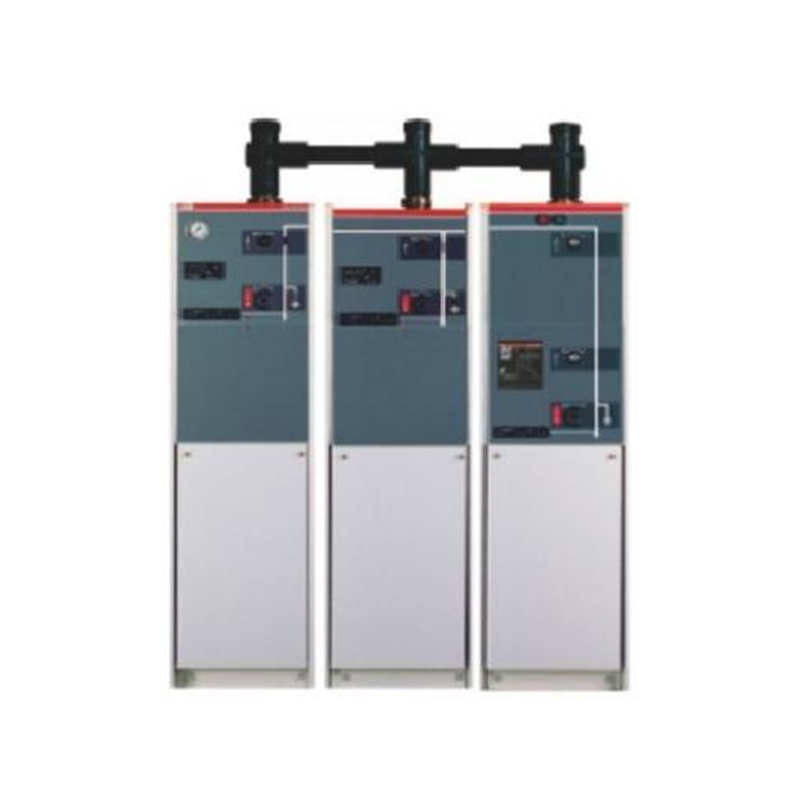 SAFE Series SF6 Gas-Insulated Ring Main UnitsCompact sealed SF6 RMUs with SafeRing and SafePlus modularity suit tight sites, but factor gas handling and maintenance into the choice.View Product →
Gas-insulated designs remain a practical choice where footprint is tight and the project has established gas-handling procedures. The important question is not only “how small is it?” but also “who will maintain it, and how will gas or solid insulation be managed over its service life?”
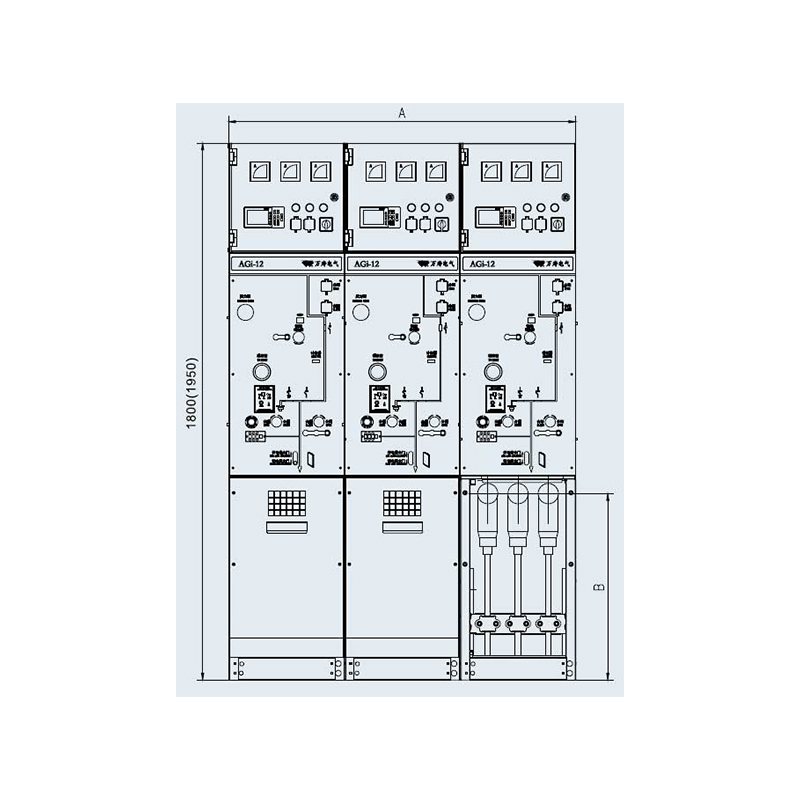 AGi-12 Environmentally Friendly Gas-Insulated Ring Main UnitFully sealed eco-friendly-gas RMU with visible break and maintenance-free gas box supports sustainability targets where gas handling remains part of the specification.View Product →
Eco-friendly gas designs are worth reviewing when sustainability targets are part of the specification. Solid-insulated units appeal where the owner wants to avoid gas handling altogether and prefers a design that can be inspected and maintained in a different way.
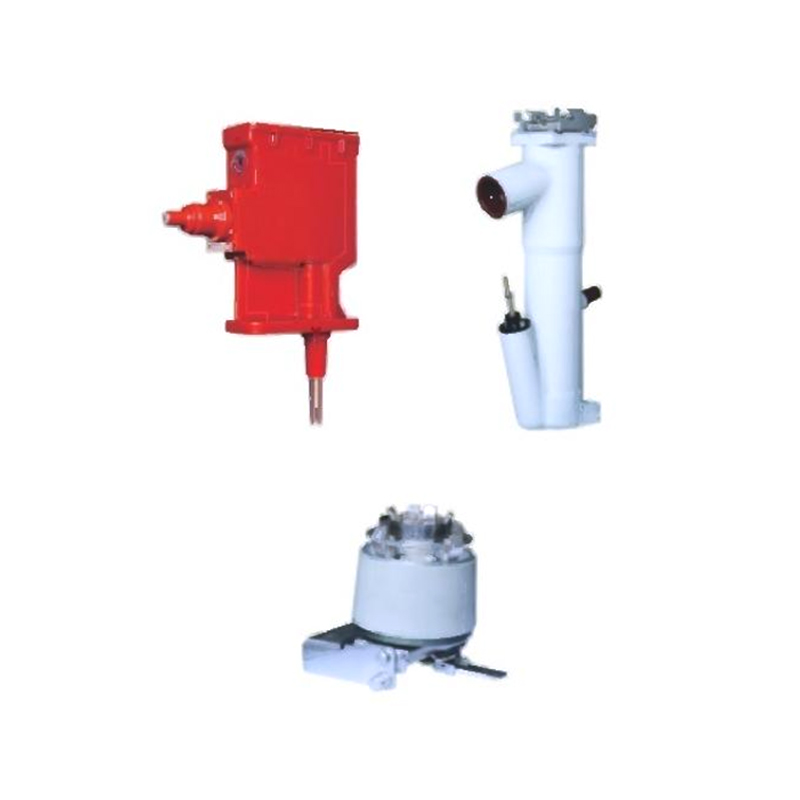 GTXGN-12 Solid-Insulated Intelligent Ring Main UnitSolid-insulated RMU avoids SF6 gas handling, offers modular phases and optional intelligent control for distribution networks needing upgradeable switching and protection.View Product →
The table is a starting point, not a substitute for checking actual ratings, fault level, local standards, and the operating routine.
You will find RMUs wherever medium-voltage power needs to be split, switched, or isolated close to the load. That includes urban distribution networks, industrial parks, commercial buildings, hospitals, rail projects, mines, and renewable energy sites. In a wind or solar project, an RMU may collect feeders from inverters or step-up transformers and connect them to the collection network. In a factory, it may sit in a substation room and feed several packaged transformers.
For a broader view of how these units fit into projects, see our power distribution solutions. The common thread is not the industry name but the duty: the RMU must make the network configurable, protect the transformer or feeder, and give maintenance staff a safe point of isolation.
An RMU is not a transformer, and it is not simply a circuit breaker. It may contain circuit breakers, fuses, load-break switches, and earthing switches, but it is the complete switchgear assembly that performs the ring switching duty. It is also different from a package substation, which usually combines a transformer and low-voltage distribution in one enclosure. The terms overlap in casual conversation, but a specification should be precise.
When someone asks for the meaning of RMU, the safest answer is: Ring Main Unit, a compact medium-voltage switchgear unit used on ring distribution networks. If the context is a data centre, a mining project, or a renewable plant, the same definition applies, though the ratings and protection settings will differ.
When you read an RMU datasheet, look past the acronym. Check the system voltage and insulation level, rated current and busbar current, short-circuit withstand rating, number of ring switches, tee-off configuration, switch type, protection and automation, IP rating, cable access, footprint, and the standards used for testing. It also helps to discuss the operating routine with the people who will maintain the unit. A design that looks neat on paper can be awkward if a cable compartment is hard to reach or the earthing procedure is unclear.
If you are weighing options for a project, you are welcome to talk through your project with our team. We can compare layouts and insulation choices in plain language without turning the conversation into a sales pitch.
The meaning of RMU is straightforward once you see it in context: Ring Main Unit, a compact switching and protection point on a medium-voltage ring network. It controls the ring, isolates faults, and gives operators a safe way to work on cables and transformers. If you remember the ring, the switching duty, and the need for safe isolation, the rest of the specification becomes much easier to read.
1.Types of High Voltage Switchgear The main categories of high voltage switchgear include Air-Insula...
View More1. Working Principle Oil-immersed transformers play a pivotal role in modern electrical power system...
View More1. Advantages of Distribution Dry Type Transformers Distribution dry type transformers have become i...
View More
 中文简体
 русский
 Español
 عربى
